

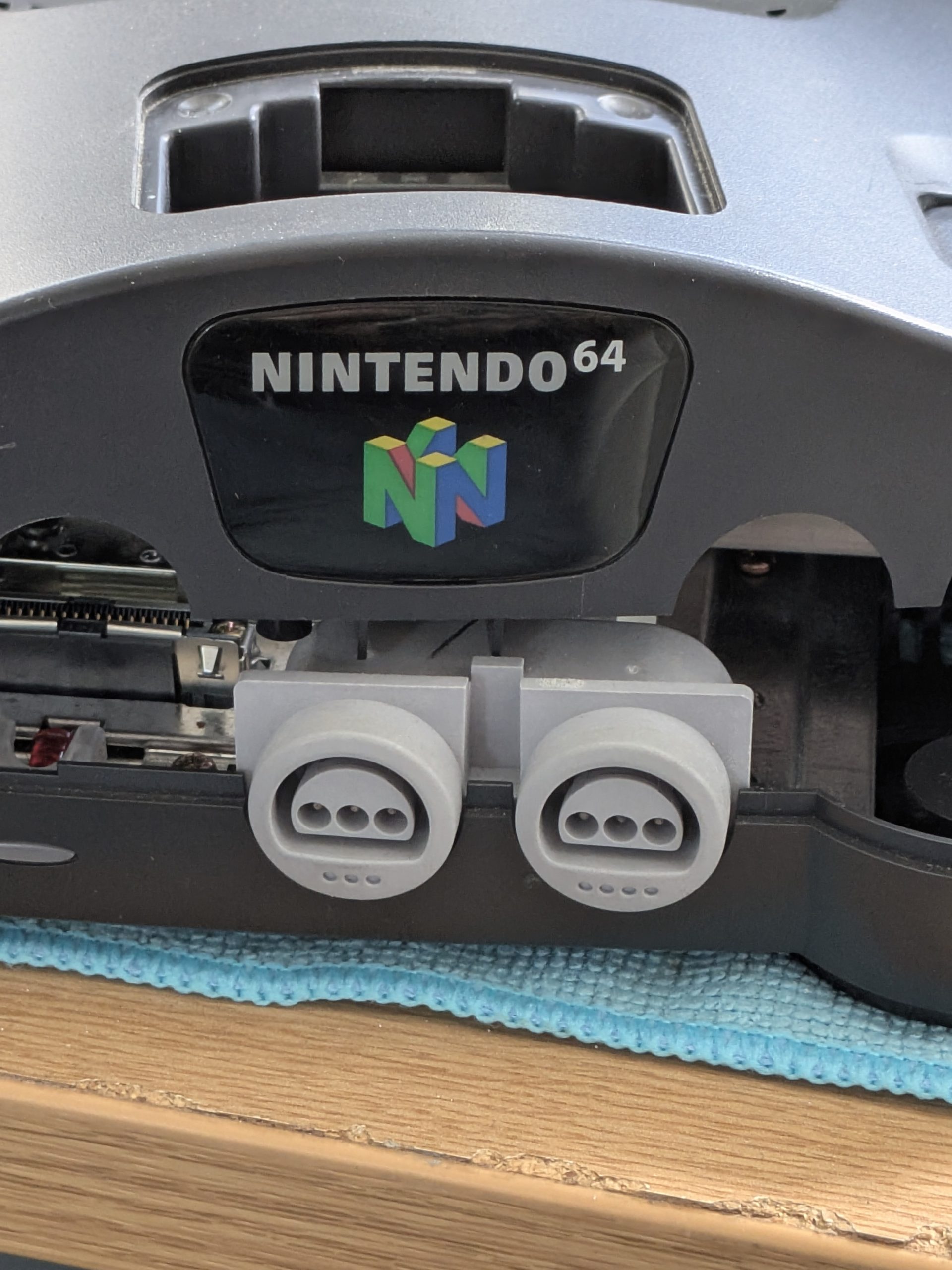
Direct Answer: A Nintendo 64 with no signal to the TV can often be traced back to liquid damage around the cartridge slot, even if the spill happened a long time ago. Corrosion left behind by a spill can keep spreading quietly for years before it finally causes a full fault.Key Takeaways
- No signal on an N64 doesn’t always mean a dead console — the cartridge slot and its connector are a common hidden culprit.
- Liquid damage doesn’t stop causing problems once it dries; corrosion can keep spreading for years afterwards.
- Caught in time, this kind of corrosion damage is very often repairable rather than terminal.
This one came in as a fairly typical “no signal” fault — console powers on, fan spins, lights come on, but nothing reaches the TV. No signal faults can have a few different causes, so the first step was opening the console up to see what was actually going on inside, rather than guessing.
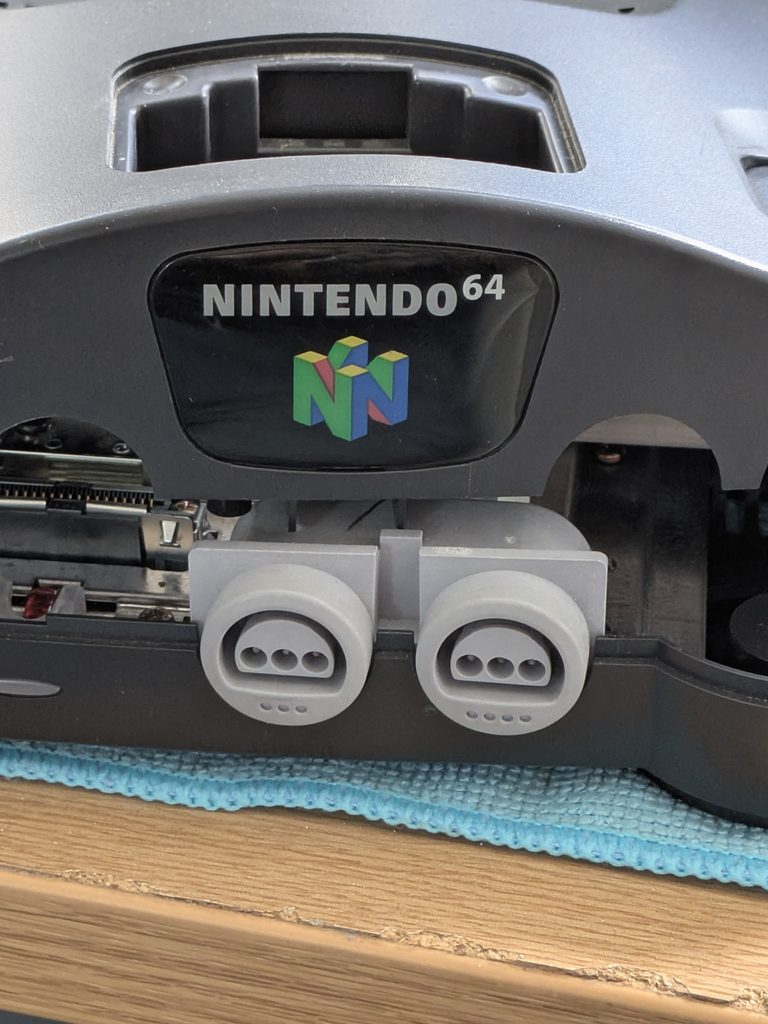
What We Found
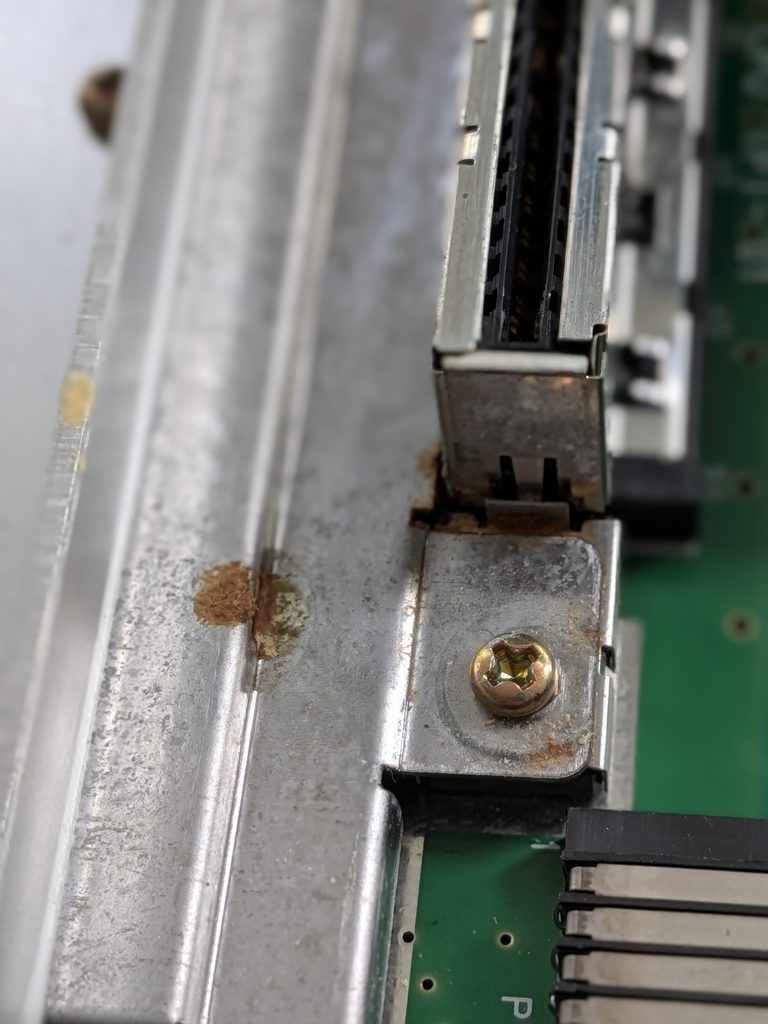
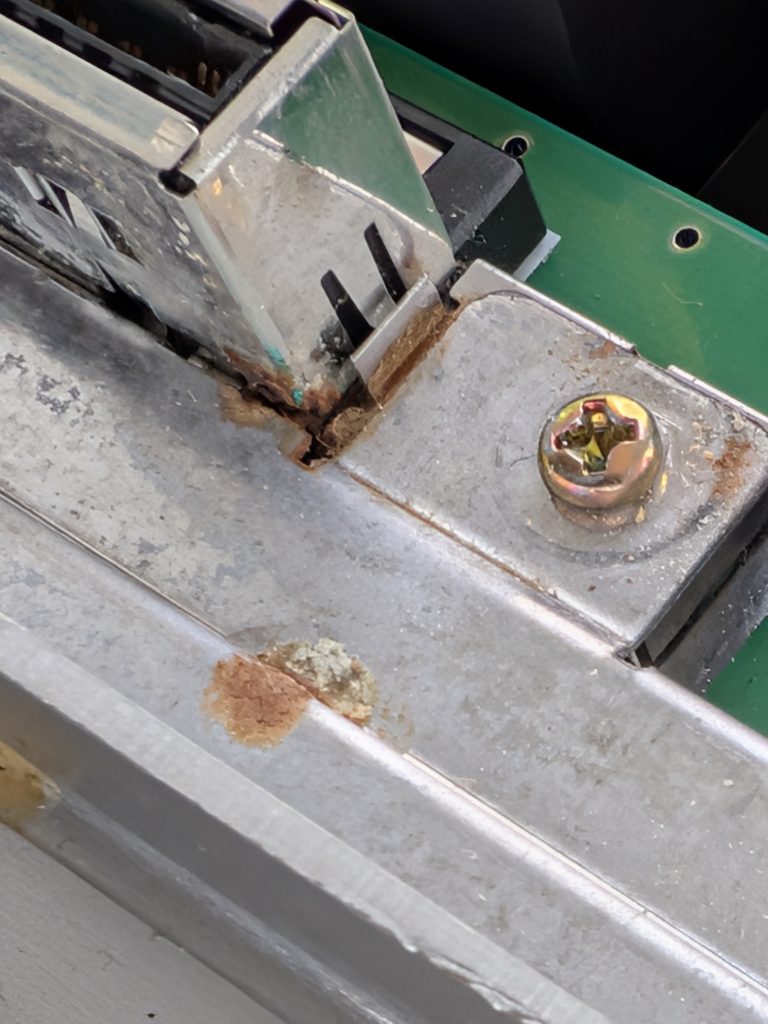
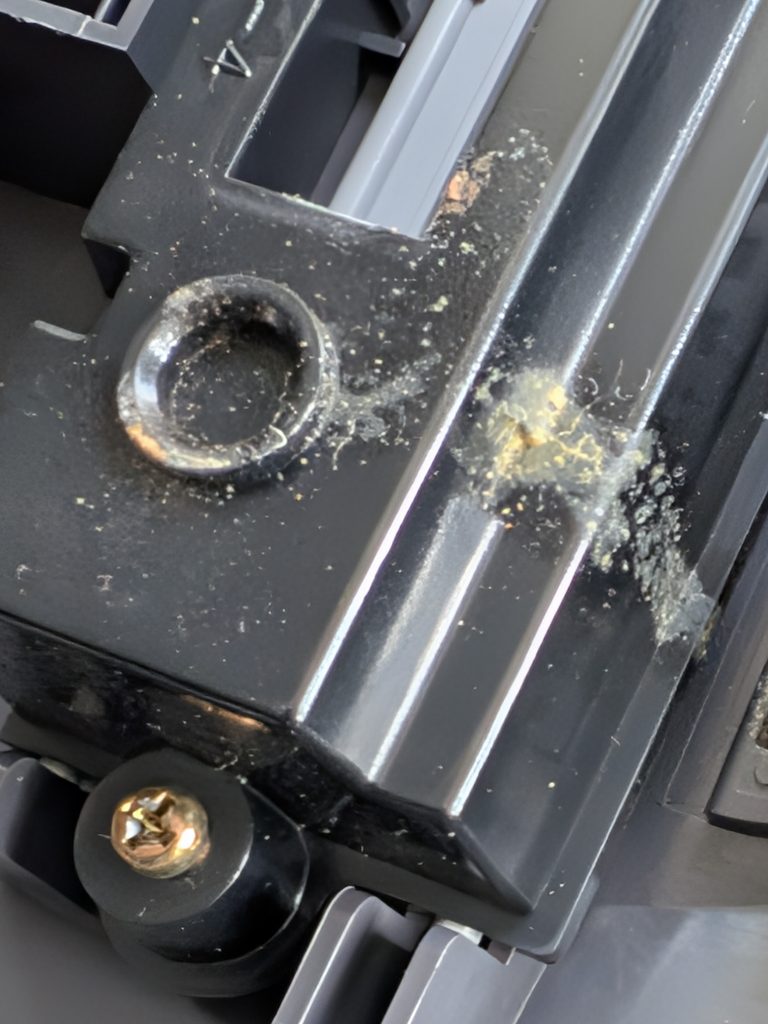
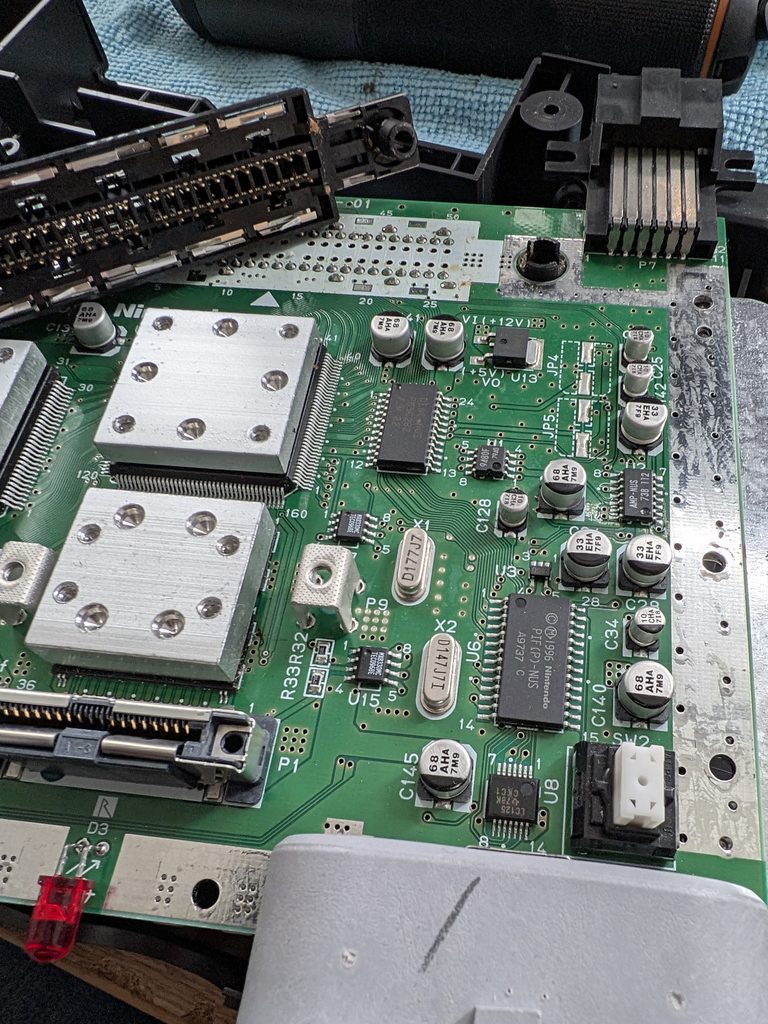
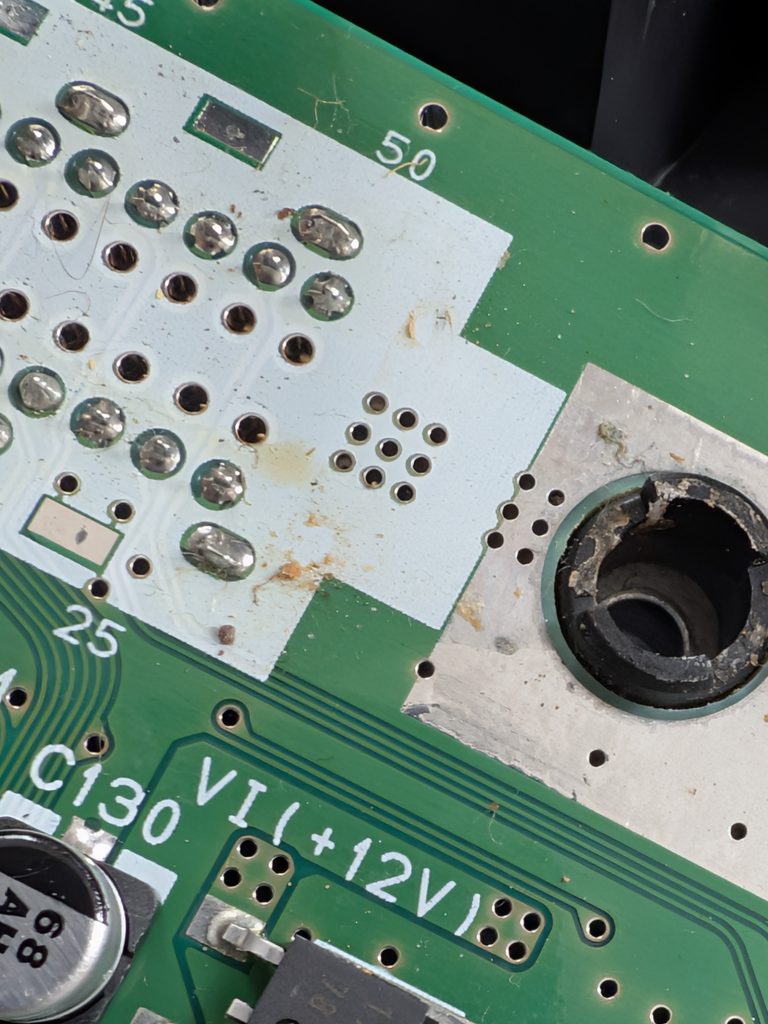
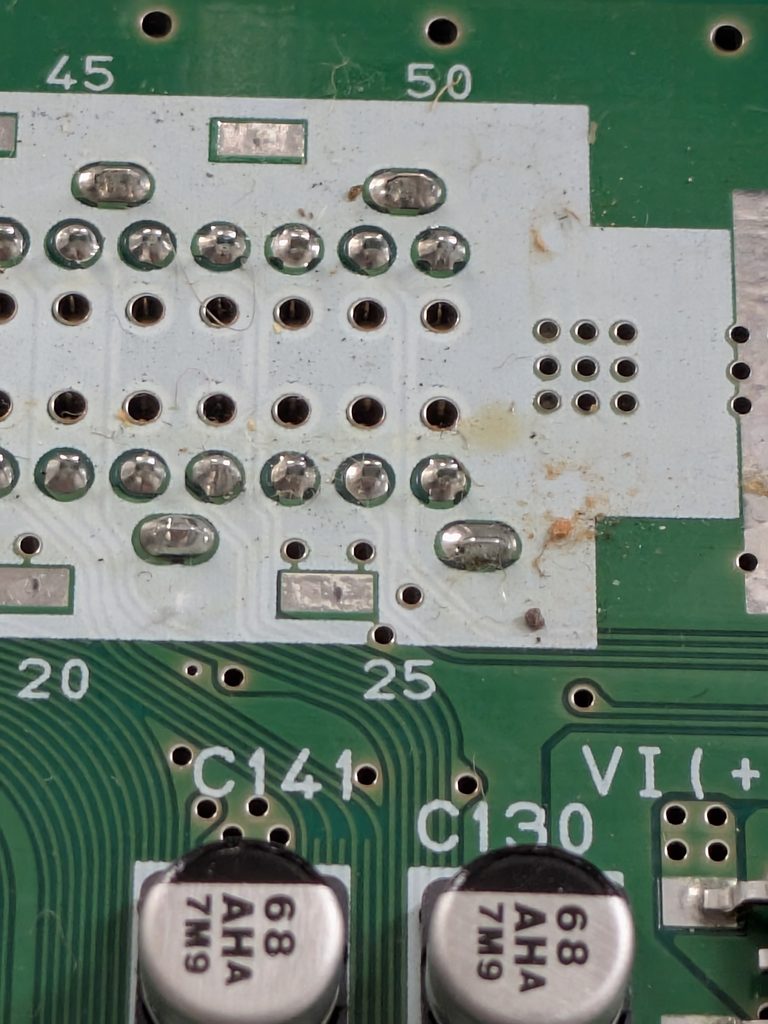
Once the case was off, it was immediately clear this wasn’t a straightforward fault. At some point, liquid had been spilled into the cartridge slot, and rather than just causing a one-off short at the time, it had sat there quietly corroding everything around it for what looked like a long time. The connector pins and the board underneath had corroded so heavily and unevenly that, honestly, the inside looked a bit like the element of an old toastie maker — patchy, browned, and clearly the result of prolonged damage rather than anything recent.
This is a good example of why “it dried out ages ago, so it should be fine” isn’t always true. Once corrosion gets started on metal contacts and board traces, it doesn’t necessarily stop just because the liquid itself has evaporated — residue left behind can continue eating away at the metal for months or years, until eventually something gives and the fault shows up, often long after anyone remembers the spill happening in the first place.
The Repair
With the extent of the corrosion visible, the affected area around the cartridge slot and connector was cleaned back properly, damaged contacts addressed, and the console tested to confirm signal was restored before anything was reassembled. The console is now back to outputting a normal picture.
What This Means If Your Retro Console Has No Signal
If you’ve got an older console showing no signal, especially anything with a cartridge slot, it’s worth having it looked at properly rather than assuming it’s dead. Corrosion damage like this is very often repairable when caught, and a “no signal” fault is frequently something more specific and fixable hiding underneath, rather than a sign the whole console needs writing off.
Frequently Asked Questions
Why does my N64 have no signal to the TV?
No signal is often caused by a fault around the cartridge slot or the connector behind it — liquid damage, corrosion, or a cartridge connector that’s lost proper contact can all stop the console outputting a picture, even if the console otherwise seems to power on.
Can liquid damage in a cartridge slot be repaired?
Often yes, provided the corrosion is caught and cleaned before it spreads further into the board. Badly corroded pins and traces can be cleaned, repaired, or in some cases rebuilt, restoring the console to full function.
How can old liquid damage in a console cause a fault years later?
Corrosion caused by a spill doesn’t always stop spreading once the liquid dries. Residue left behind can continue to corrode metal contacts and traces over time, meaning a fault can appear well after the original spill, sometimes long after it’s been forgotten about.
Got a Retro Console With a Similar Fault?
Whether it’s an N64, SNES, or anything else showing no signal or acting strangely, we diagnose properly before quoting. Book a mail-in repair or call 07547432754.

Leave a Reply