

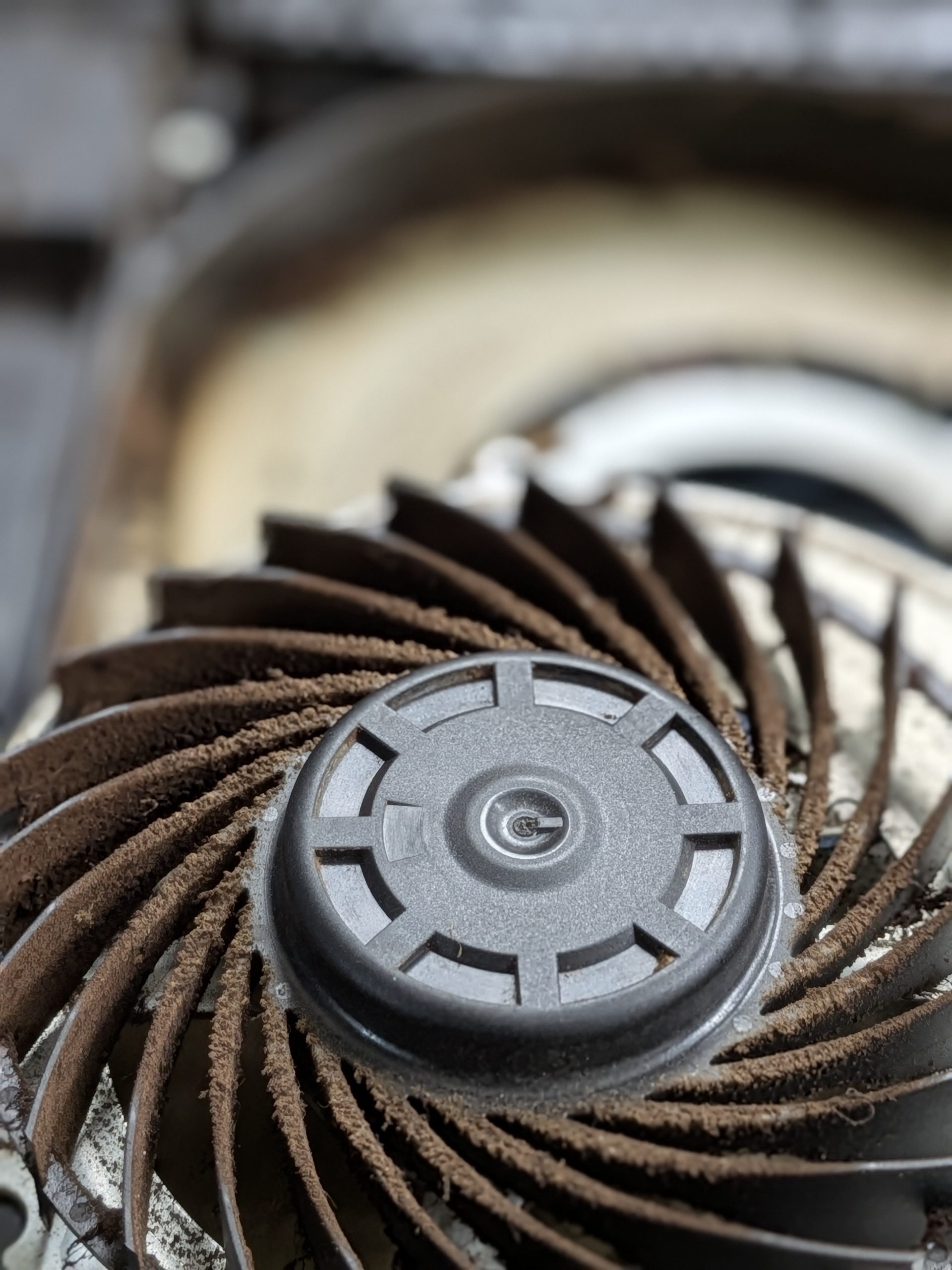
Five fast checks for a console that won’t power on, won’t read discs, keeps switching off, or has drift — so you know if it’s a 2-minute fix or a real repair before you spend a penny.
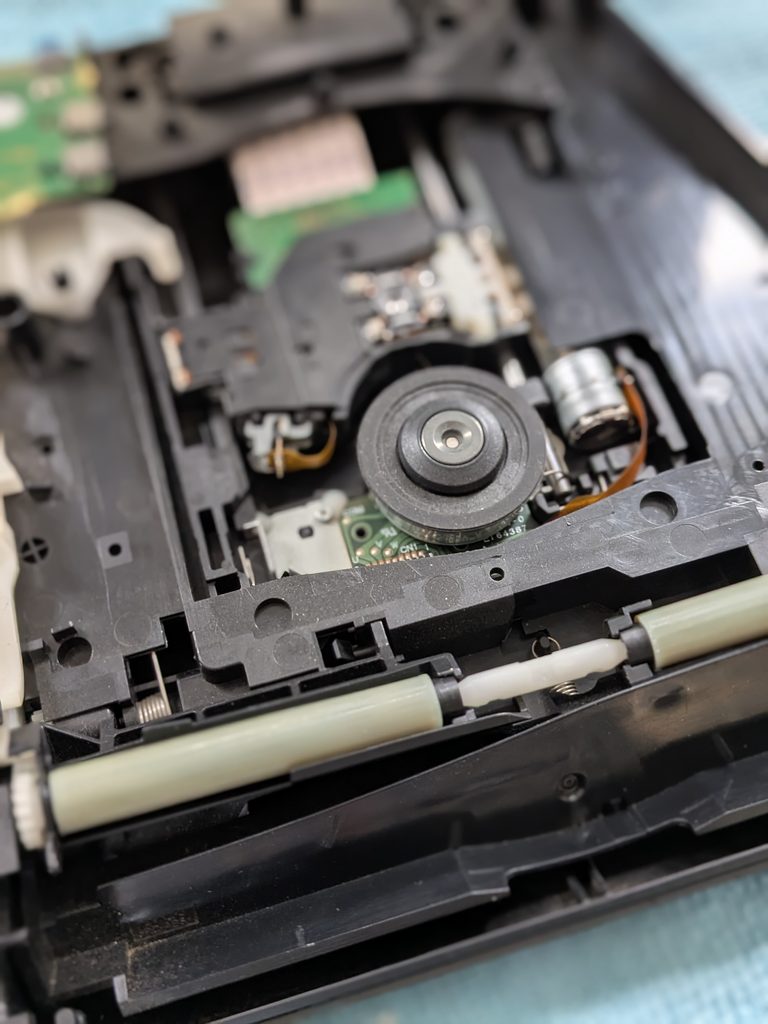
Five fast checks for a console that won’t power on, won’t read discs, keeps switching off, or has drift — so you know if it’s a 2-minute fix or a real repair before you spend a penny.
No obligation to book anything — the checklist’s free and useful on its own. If it turns out to need a proper repair, the form below takes two minutes and I’ll get back to you personally
The Checklist
Step 1: No Power / “Dead” Console
- Swap the power cable if you’ve got a spare, or borrow one — leads fail more often than consoles
- Try a different wall socket or extension lead
- Check for ANY light at all — standby light, fan spin, a brief flicker — even with nothing showing on screen
- Hold the power button for a full 10 seconds, unplug for 30 seconds, then try again
- Feel the power brick (if it has one) after a few minutes plugged in — stone cold usually means the brick’s dead, not the console
Step 2: Stuck Disc / Cartridge Drive
- Listen for the drive trying to spin or eject — a whirring/clicking noise with no disc movement points to a belt or gear issue, not a dead drive
- Try gently tilting the console upright — sometimes a disc has slipped off the tray
- Never force the disc slot or mash the eject button repeatedly — this is the single biggest cause of a cheap fix turning into an expensive one
- For cartridge consoles (retro or Switch), remove and reseat the cartridge, blowing out any visible dust from the slot first
Step 3: Overheating / Random Shutdowns
- Check the console isn’t boxed in or standing on carpet — airflow matters more than people think
- Listen to the fan under load — silent or screaming (not just loud) is a strong sign
- Note how long it takes to shut off — immediately vs. after 20+ minutes of gaming changes the diagnosis
- Let it cool fully rather than repeatedly power-cycling it while it’s still hot
Step 4: No Signal / No Picture on TV
- Try a different HDMI cable — the most common cause, and the cheapest to rule out
- Try a different HDMI port on the TV, and a second TV if you have access to one
- Check the TV is on the correct input and hasn’t defaulted to another source
- Look for a bent or loose HDMI port on the console itself — a wobbly port is board-level, worth mentioning when you book
Step 5: Stick Drift / Controller Issues
- Recalibrate the stick in the console’s controller settings first — sometimes it’s software, not hardware
- Try a different controller if you have one, to confirm it’s the controller and not the console
- Clean around the base of the stick with a dry brush or compressed air — dust and grime cause a lot of “drift” that isn’t actually worn components
- Note whether it drifts constantly or only under load/heat — useful detail for diagnosis
Quick Reference
| Symptom | Try This First | Usually Means |
|---|---|---|
| No power at all | Swap cable, swap socket | Cable/PSU fault (cheap) or board fault (not cheap) |
| Won’t read disc | Listen for drive motor, don’t force it | Belt/gear (cheap) or drive unit (moderate) |
| Random shutdowns | Check airflow, time how long it lasts | Dust/thermal paste (cheap) or board-level heat damage (moderate-serious) |
| No picture/signal | Swap HDMI cable and port | Cable (cheap) or HDMI port/board (moderate) |
| Stick drift | Recalibrate, clean, swap controller | Software (free) or worn stick module (cheap-moderate) |
What to Do Next
Been through the checklist and it’s still not right? That’s exactly the kind of fault we deal with every day — retro through to current-gen, drive belts to full board-level repairs. Book it in and we’ll take it from there.

Leave a Reply