

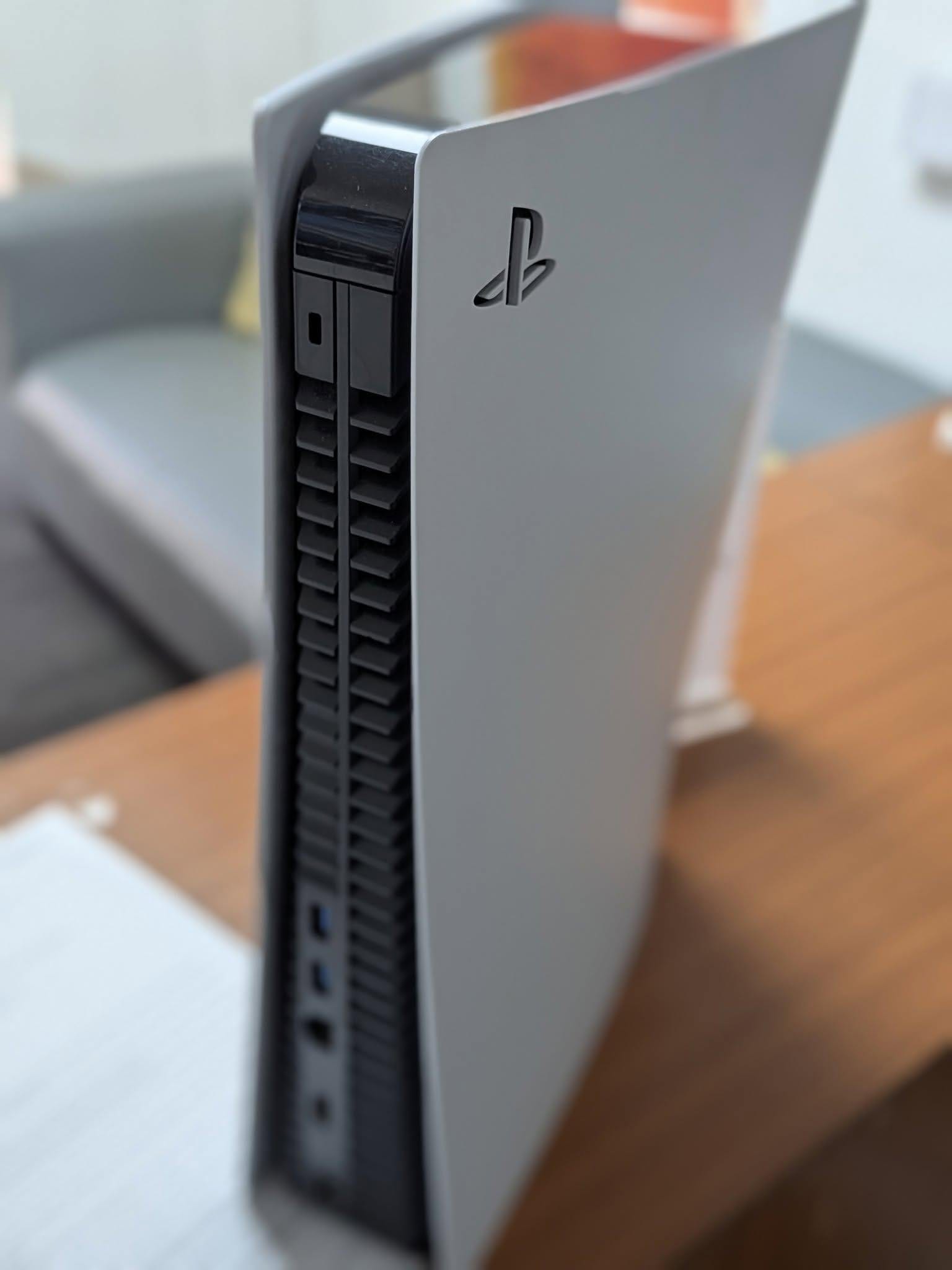
Your PS5 isn’t like a phone. You don’t replace it after a couple of years. You keep it, you use it, and you expect it to work flawlessly for five, six, even seven years if you want it to. That’s the dream. But that dream only works if you actually maintain the thing.
Here’s the reality: your PS5 is a sophisticated piece of engineering with a heatsink, a fan, and thermal paste that all degrade over normal use. After a year of gaming, that degradation is noticeable. After two years, it’s significant. After three years, you’re basically running on fumes if you’ve never had it serviced.
GTA 6 launches in September 2025. If you’re planning to play it, and play it properly without your console overheating, now’s the time to think about whether your PS5 is actually in the condition to handle it.
What Happens Inside Your PS5 Over Time
Your PS5 has two fans — one for air intake, one for air exhaust. Both pull air through the console’s cooling system. That system is built around a heatsink that’s in direct contact with the GPU and CPU through a layer of thermal paste.
In year one, everything is clean and fresh. The thermal paste is still viscous and making perfect contact. The heatsink fins are dust-free. Air flows freely. Your console runs cool, and the fans don’t work harder than they need to.
By year two, dust has accumulated on the heatsink fins. It’s not dramatic — it’s just a layer, like dust on a shelf — but it reduces airflow. The thermal paste has also aged. It’s still functional, but it’s not as good at transferring heat as it was when the console was new. The efficiency has dropped maybe 10-15%.
By year three, if you’ve never opened the console up to clean it, you’re looking at a noticeable performance drop. Dust has built up more substantially. The thermal paste is doing maybe 70% of what it did when the console was new. Your PS5 is working harder to cool itself. The fans ramp up higher. The whole machine sounds angry when it’s under load.
This isn’t catastrophic failure. The console doesn’t break. But the user experience degrades. Games that used to run at 60fps stutter slightly. The fan never really stops. The console feels like it’s struggling.
And that’s with normal use. If you’re running demanding games — and we’re about to have some seriously demanding games — that degradation gets exposed immediately.
Thermal Paste: The Invisible Problem
Here’s the thing nobody thinks about until their console is overheating: thermal paste has an expiration date. It’s not chemical — it’s just physics. The paste dries out slightly over time. Heat cycles age it. After two years of regular gaming, it’s legitimately less effective than it was on day one.
You can’t see this happening. You can’t test it without opening the console up. But it’s happening. Gradually, day by day, game by game, the thermal paste is becoming less capable of moving heat away from your GPU and CPU.
A fresh layer of quality thermal paste restores that capability. It’s the single most important part of a thermal service.
Dust: The Other Problem
Your PS5 pulls air through intake vents to cool its heatsink. That air comes from your room, your shelf, wherever the console is. It carries dust. Some of that dust settles on the heatsink fins. Some settles deeper in the system.
It’s not visible from outside because the dust is inside. But it’s there. And it’s reducing airflow. Not dramatically in year one, but noticeably by year two or three.
A proper internal clean removes that dust. It takes patience and the right tools, but it’s straightforward work. The difference in airflow afterwards is measurable.
Why GTA 6 Makes This Urgent Right Now
GTA 6 is launching in September 2025. It’s going to be one of the most demanding games ever released on PlayStation. The game world is enormous, the graphics are detailed, and the engine is designed to absolutely maximize what a PS5 can do.
If your console hasn’t been serviced in two years and you fire up GTA 6, you’re going to run into thermal issues. Maybe not immediately. But 2-3 hours into the game, when you’re in intense missions or heavy traffic areas, your PS5 is going to get hot. The fan is going to scream. You might get frame rate drops. In worst case scenarios, you’ll get throttling where performance just dips noticeably mid-mission.
That’s not an indictment of GTA 6. That’s an indictment of an unserviced console trying to run next-gen software.
The console can handle the game. But it can only handle it well if it’s properly maintained.
What a Thermal Service Includes
A proper PS5 thermal service involves:
Full disassembly. The entire console comes apart. Not just the shell — the heatsink, the GPU and CPU shroud, everything that needs to come out comes out.
Heatsink cleaning. The fins are cleaned carefully, dust removed. Airflow pathways are restored. This alone makes a measurable difference in thermal performance.
Thermal paste replacement. The old paste is carefully removed. Fresh, quality thermal paste is applied to the GPU and CPU. Even coverage, correct application — this is precision work.
Fan inspection. Both fans are checked for dust accumulation. They’re cleaned if needed. Bearing noise is checked. Anything unusual is flagged.
Reassembly and testing. Everything goes back together. The console is powered up, thermal performance is verified under load. We stress-test it to make sure cooling is working optimally before you get it back.
The whole process takes a few hours. The result is a console that runs like it did when it was new.
See you price list here for servcivinga PS5 in East Yorkshire
How Often Should You Service?
Annual servicing is the gold standard for serious gamers. Once a year, bring it in, get it cleaned, get it refreshed. It’s preventative maintenance — the same philosophy as servicing a car or maintaining any complex piece of electronics.
For casual players who use their PS5 a few hours a week, servicing every 18 months is reasonable. For heavy users — people playing 10+ hours a week — annual is essential. Demanding games intensify this need.
Think of it this way: you’re investing in longevity. Annual servicing keeps your console performing at peak capacity, reduces the risk of thermal issues, and makes sure you’re getting the best possible performance from your hardware.
It also extends the console’s lifespan. A well-maintained PS5 will easily go 7-8 years without problems. A neglected PS5 might start having issues by year 5.
The Cost vs. The Benefit
A full thermal service costs around £65-85. That’s the cost of a new game. For that price, your console gets a complete internal refresh, professional-grade thermal paste, and peace of mind that it’s going to handle demanding games without overheating.
Compare that to the cost of replacing a console that’s failed due to thermal stress, or dealing with performance issues mid-game because your cooling isn’t optimal, and the value is obvious.
It’s also way cheaper than replacing controllers that wear out faster due to thermal stress, or dealing with unexpected shutdowns during long gaming sessions.
Before GTA 6 Launches
If you own a PS5, now’s the time to book a thermal service. September 2025 is coming. GTA 6 is coming. And you want your console in tip-top condition when you fire it up.
Don’t wait until launch day. Don’t wait until you’re deep into the game and realize your console sounds like a helicopter. Get it serviced now. Get it clean, get it fresh, get it ready.
Your PS5 will thank you. GTA 6 will thank you. And you’ll have the best experience possible, without thermal worries, without fan noise, without performance dips.
That’s what proper maintenance does. It’s not glamorous. It’s not exciting. But it’s essential if you want your console to stay reliable, stay cool, and stay performing at its peak for years to come.
PS5 Thermal Servicing
Full internal clean | Fresh thermal paste | Professional testing
£65-85 | Market Weighton, East Yorkshire
UK-wide mail-in service available
12-month warranty on all thermal work
Bring your console in. Get it ready for GTA 6. Stay cool.
- PS5 Won’t Read Discs, Won’t Eject or Grinds: Model-Specific Fixes
- ModRetro M64: What It Is, What It Does, and Who It’s For
- Will Steam Deck Get GTA 6? Everything Steam Deck Owners Need to Know (2026)
- PS5 Fan Connector Repair | Ripped Off by USer
- Is Your Console Actually Dead? The 10-Minute Check Before You Bin It

Leave a Reply